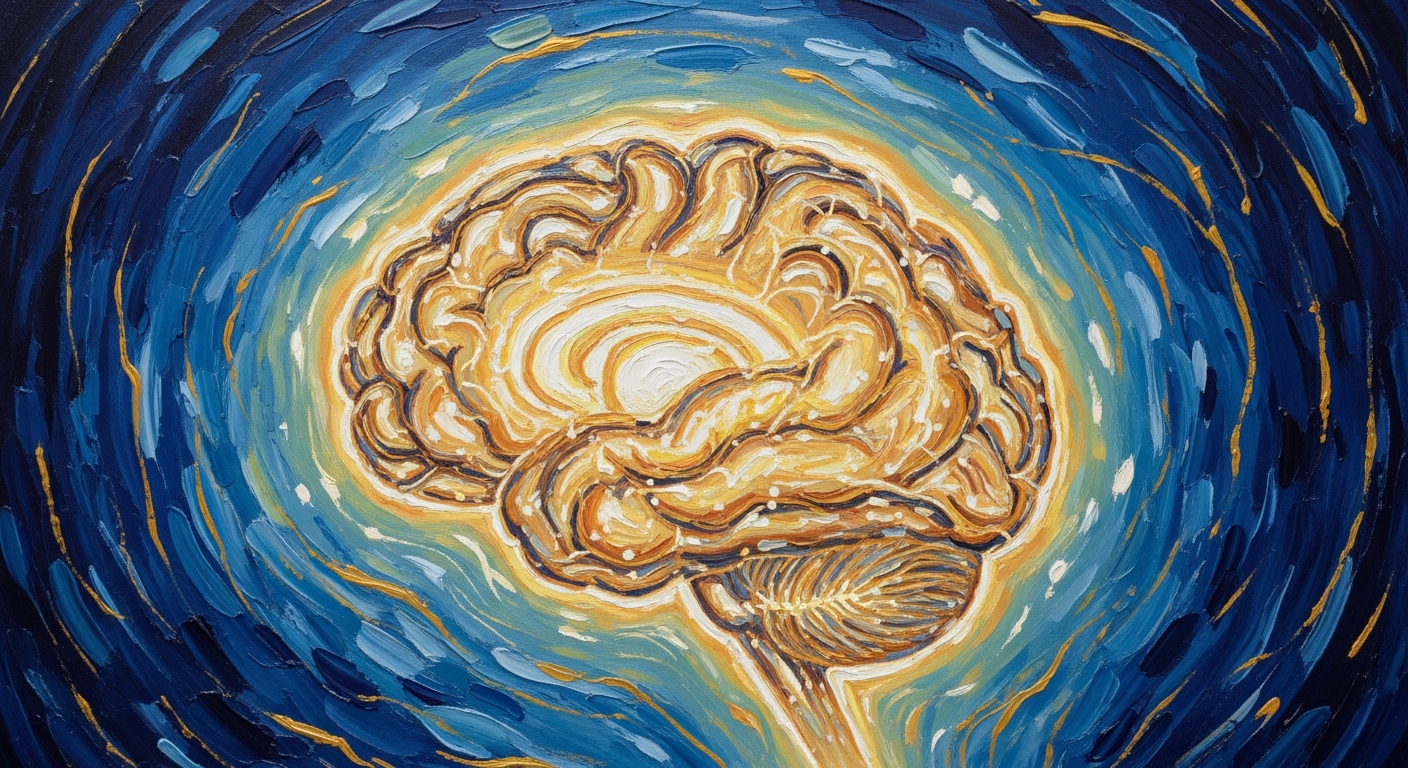
If someone told you there was a free tool that could reduce anxiety, improve impulse control, strengthen emotional regulation, and physically grow the parts of your brain responsible for decision-making, you would probably ask where to sign up. That tool exists. It is called mindfulness meditation, and the neuroscience behind it is now overwhelming.
Researchers at Harvard Medical School have demonstrated through MRI imaging that just eight weeks of regular meditation practice produces measurable changes in brain structure. Specifically, the prefrontal cortex, the region responsible for planning, impulse control, and rational thinking, shows increased gray matter density. At the same time, the amygdala, the brain's fear and stress center, actually shrinks.
For people in recovery, these findings are not just interesting. They are transformative.
Addiction fundamentally disrupts the brain's reward system. The prefrontal cortex, which is supposed to act as the brakes on impulsive behavior, gets weakened by sustained substance use. Meanwhile, the amygdala becomes hyperactive, keeping the brain in a constant state of stress and reactivity. This is why early recovery feels so overwhelming. The brakes are worn out and the alarm system is stuck on high.
Mindfulness meditation directly addresses both of these problems. It strengthens the brakes and calms the alarm. Not overnight, but consistently and measurably over time.
The practice does not need to be complicated. Five minutes of focused breathing in the morning. A body scan before bed. Using the SoberLife pause technique when a craving hits. These are not wellness trends. They are evidence-based interventions that physically rebuild the neural pathways that addiction damaged.
The brain that got you into trouble is the same brain that can get you out. It just needs the right training. And the research says mindfulness is one of the most effective training programs available.